Finance-Books.com

New Grads · 9 books

The Best Finance Books for 20-Somethings & New Grads

Nine modern classics that turn your first paycheck into lasting wealth — no jargon, no shame, no get-rich-quick.

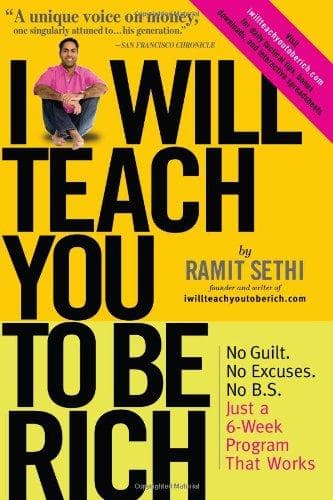
I Will Teach You to Be Rich book cover
#1 · Editor's Pick

I Will Teach You to Be Rich

by Ramit Sethi · 2019

4.6(23,445)

Sethi's hook is that personal finance isn't about cutting lattes — it's about automating the boring stuff so you can spend guilt-free on what you actually love. The 6-week program walks you through the credit card, bank account, investing, and "conscious spending plan" setup. The 2nd edition adds chapters on partnerships, big purchases, and rich-life design. What separates this from older personal-finance books is the tone: Sethi talks to you like a friend, not a parent. The honest caveat: he sells expensive online courses, and the book occasionally feels like a funnel for them. The free advice inside is still genuinely useful — and getting through chapter 4 will put you ahead of 90% of your peers.
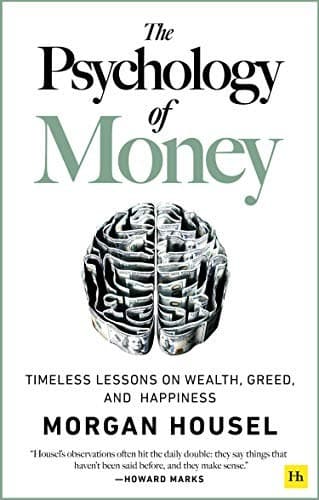
The Psychology of Money book cover
#2 · Editor's Pick

The Psychology of Money

by Morgan Housel · 2020

4.7(71,527)

Housel's thesis: doing well with money has surprisingly little to do with how smart you are and almost everything to do with how you behave. He makes this case through 19 short, story-driven chapters that read more like personal essays than a finance book. There's no portfolio construction here, no spreadsheets, no five-step plan. Instead you get the most important insights in finance distilled into ideas you'll actually remember — and a vocabulary for thinking about money that holds up under stress. If you only read one book on this list, this is the one to start with. It's also the one you'll loan to friends.

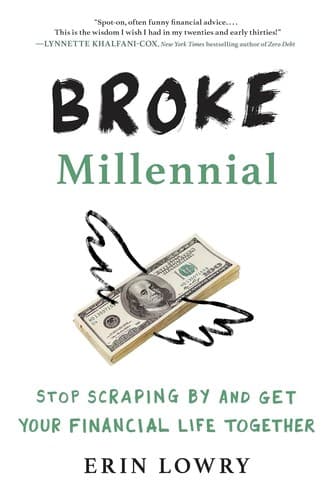
Broke Millennial book cover
#3 · Editor's Pick

Broke Millennial

by Erin Lowry · 2017

4.6(1,885)

Lowry wrote the book she wished existed when she graduated into the post-2008 economy with student loans, no parental safety net, and no clue how to handle a 401(k) match form. The voice is conversational — closer to texting a friend than reading a textbook — and the examples assume you're navigating Venmo splits, gig work, and parents who think you should "just buy a house." Lowry doesn't pretend money is exciting; she just makes it less scary. Where Sethi optimizes for systems, Lowry optimizes for the awkward conversations (with partners, with parents, with employers) that actually determine your financial trajectory.

Financial Feminist book cover
#4 · Editor's Pick

Financial Feminist

by Tori Dunlap · 2022

4.6(2,363)

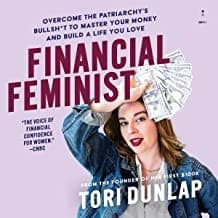
Dunlap turned her TikTok account (Her First $100K) into a movement, and this book is the playbook behind it. The premise: women face structural financial headwinds — the wage gap, the pink tax, the invisible labor — and personal-finance advice that ignores them is incomplete. Dunlap's framework is part practical (negotiate hard, invest aggressively) and part political (your money is a vote for the world you want). The tone is unapologetic and occasionally polarizing — she swears, names companies that underpay women, and rejects the "good girl" frugality narrative aggressively. If you've felt patronized by mainstream finance media, this will feel like exhaling.

Set for Life book cover
#5 · Editor's Pick

Set for Life

by Scott Trench · 2017

4.6(2,220)

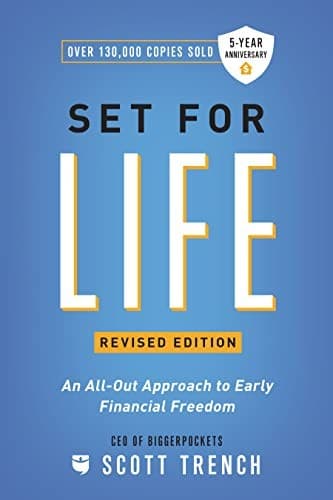
Trench is the CEO of BiggerPockets and a lifelong frugality nerd, and this book is essentially "how to retire by 32 if you start saving 70% of your income at 22." The math is real and the playbook is specific: live below your means aggressively in the first 5 working years, house-hack to crush your housing costs (your biggest expense), then redirect everything into income-producing assets — index funds and rental real estate. It's the FIRE movement's most actionable on-ramp, written by someone who actually did it. Where it falls short: the prescription assumes high willingness to grind early and a real-estate appetite that's not for everyone.

Your Money or Your Life book cover
#6 · Editor's Pick

Your Money or Your Life

by Vicki Robin · 2018

4.5(6,245)

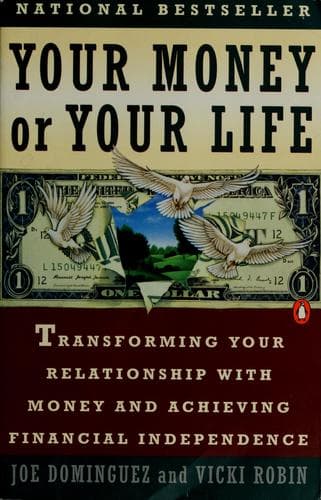
First published in 1992 by Vicki Robin and Joe Dominguez, then revised in 2018 with Robin (Dominguez had passed) modernizing the index-fund advice, YMOYL is the foundational text of the FIRE movement before "FIRE" had a name. The book's core move: stop thinking of money as numbers and start thinking of it as "life energy" — the hours of your life you traded for those dollars. Once you internalize that, spending decisions get philosophical fast. The 9-step program is part budget overhaul, part values clarification, part radical-redirection of your career. It's slower and more meditative than modern personal-finance books. That's the point.

Get Good with Money book cover
#7 · Editor's Pick

Get Good with Money

by Tiffany Aliche · 2021

4.6(15,787)

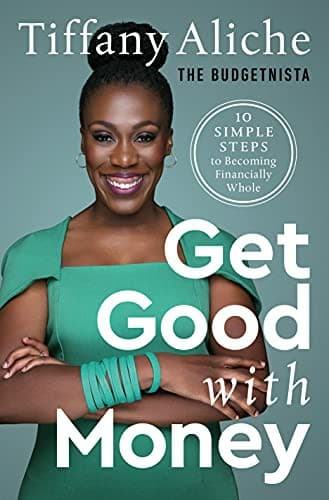
Tiffany Aliche ("The Budgetnista") built a financial-education empire serving Black women and other historically underserved audiences. Her framework — "10 Steps to Financial Wholeness" — is the most rigorously systematized of any book on this list, and the warmth of the voice makes it feel less like an instruction manual and more like a phone call with a competent older sister. The book covers what Aliche calls "financial wholeness" rather than just wealth: budgeting, saving, debt, credit, insurance, investing, and estate planning. Most personal-finance books skip insurance and estate planning. This one doesn't.

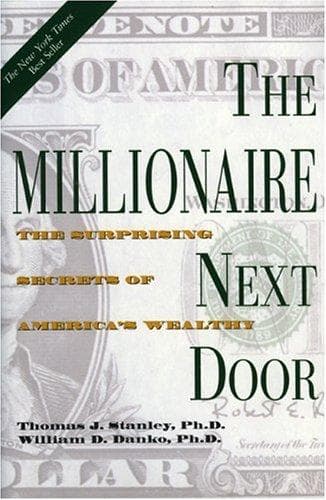
The Millionaire Next Door book cover
#8 · Editor's Pick

The Millionaire Next Door

by Thomas J. Stanley & William D. Danko · 1996

4.7(34,345)

Stanley and Danko spent 20 years studying American millionaires and made a finding that's now famous: the typical millionaire doesn't look like a millionaire. They drive 6-year-old Toyotas, live in starter homes in modest neighborhoods, and got rich through unsexy decades of saving and small-business ownership rather than high salaries or windfalls. The book is data-dense — survey results, demographic breakdowns, lifestyle profiles — and reads more like a sociology study than a how-to. The thesis has aged extremely well: 30 years later, the "PAW" (Prodigious Accumulator of Wealth) vs. "UAW" (Under Accumulator of Wealth) framework still predicts long-term financial outcomes better than income alone.

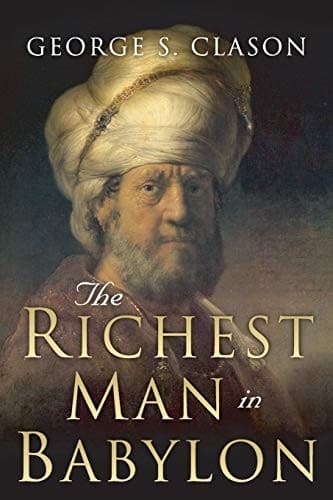
The Richest Man in Babylon book cover
#9 · Editor's Pick

The Richest Man in Babylon

by George S. Clason · 1926

4.7(22,259)

Originally published in 1926 as a series of pamphlets distributed by banks and insurance companies, this is the oldest book on this list and the one with the strangest format: it's written as a set of parables set in ancient Babylon, complete with characters named Arkad and Bansir saying things like "Behold, my friend, I shall counsel thee." Get past the cringey faux-archaic prose and the actual financial advice is solid: pay yourself first, control your expenses, invest in things you understand, and protect your principal. Almost every modern personal-finance book is a remix of these seven principles. It's short (under 150 pages) and good gift-book material.