Finance-Books.com

Debt Payoff · 7 books

The Best Books for Getting Out of Debt

Seven step-by-step playbooks for paying off credit cards, student loans, and consumer debt — from the snowball method to behavior change that sticks.

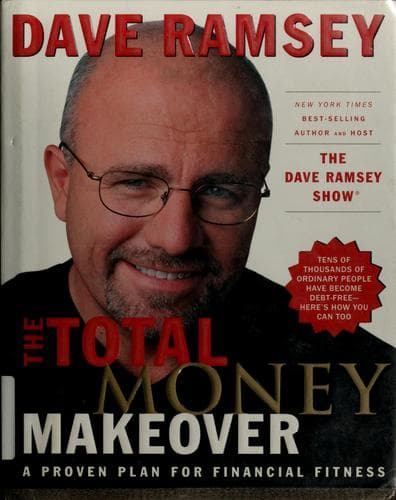
The Total Money Makeover book cover
#1 · Editor's Pick

The Total Money Makeover

by Dave Ramsey · 2013

4.5(32,140)

Dave Ramsey is the most polarizing figure in personal finance, and this book is his manifesto. The "7 Baby Steps" framework — $1K starter emergency fund, debt snowball, full emergency fund, retirement, college, mortgage, build wealth — has rescued more families from credit-card spirals than probably any other system. The behavioral psychology is correct: paying off your smallest debt first feels good and builds momentum, even though paying highest-interest first is mathematically optimal. The honest caveats: Ramsey's investment advice is dated (he insists on 12% returns, recommends actively-managed mutual funds, and rejects index funds — all questionable), and his "never use credit" stance leaves money on the table for disciplined users. But for someone drowning in debt, this is the book.
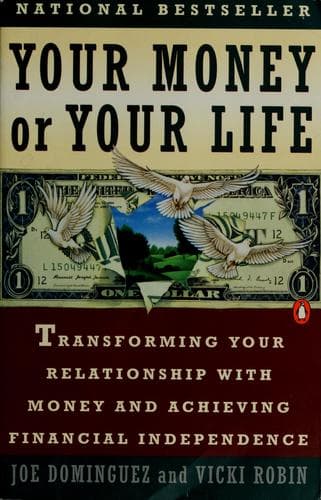
Your Money or Your Life book cover
#2 · Editor's Pick

Your Money or Your Life

by Vicki Robin · 2018

4.5(6,245)

First published in 1992 by Vicki Robin and Joe Dominguez, then revised in 2018 with Robin (Dominguez had passed) modernizing the index-fund advice, YMOYL is the foundational text of the FIRE movement before "FIRE" had a name. The book's core move: stop thinking of money as numbers and start thinking of it as "life energy" — the hours of your life you traded for those dollars. Once you internalize that, spending decisions get philosophical fast. The 9-step program is part budget overhaul, part values clarification, part radical-redirection of your career. It's slower and more meditative than modern personal-finance books. That's the point.

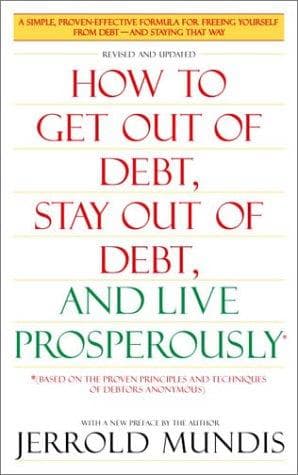
How to Get Out of Debt, Stay Out of Debt, and Live Prosperously book cover
#3 · Editor's Pick

How to Get Out of Debt, Stay Out of Debt, and Live Prosperously

by Jerrold Mundis · 1990

4.6(12,043)

Jerrold Mundis was a writer who hit financial bottom, joined Debtors Anonymous, and turned the program's principles into a book. That origin matters — this isn't a how-to from someone who has always been good with money. It's a recovery memoir disguised as a guide, and it lands differently than Ramsey's tough-love approach. Mundis treats compulsive debt the way AA treats compulsive drinking: as a behavioral pattern that requires sustained, community-supported change rather than a willpower problem to be muscled through. The book is older (1990) and the financial-product advice is dated, but the psychology is timeless and unmatched for anyone whose debt feels like an addiction rather than a math problem.

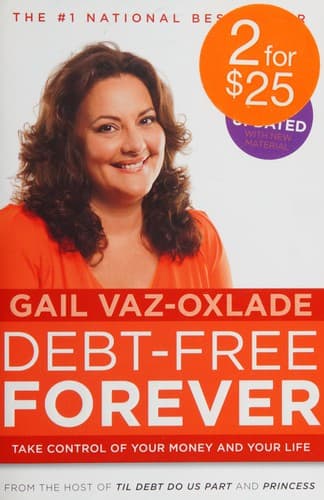
Debt-Free Forever book cover
#4 · Editor's Pick

Debt-Free Forever

by Gail Vaz-Oxlade · 2010

4.5(10,876)

Gail Vaz-Oxlade is the Canadian Dave Ramsey, minus the religious overtones and with significantly better insurance advice. Her book is structured as an 18-month program, more granular than Ramsey's 7 steps. She's especially good at the "jar system" — physically separating cash into envelopes by category — which sounds quaint until you realize it's the only budgeting method that works when willpower is unreliable. Vaz-Oxlade is also blunter than American personal-finance writers tend to be, which some readers find refreshing and others find off-putting. The math is sound, the timeline is realistic, and the writing assumes you're an adult who can hear hard truths.

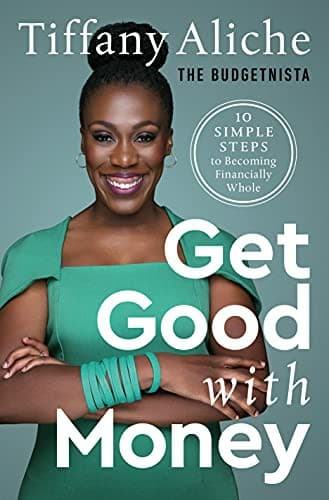
Get Good with Money book cover
#5 · Editor's Pick

Get Good with Money

by Tiffany Aliche · 2021

4.6(15,787)

Tiffany Aliche ("The Budgetnista") built a financial-education empire serving Black women and other historically underserved audiences. Her framework — "10 Steps to Financial Wholeness" — is the most rigorously systematized of any book on this list, and the warmth of the voice makes it feel less like an instruction manual and more like a phone call with a competent older sister. The book covers what Aliche calls "financial wholeness" rather than just wealth: budgeting, saving, debt, credit, insurance, investing, and estate planning. Most personal-finance books skip insurance and estate planning. This one doesn't.

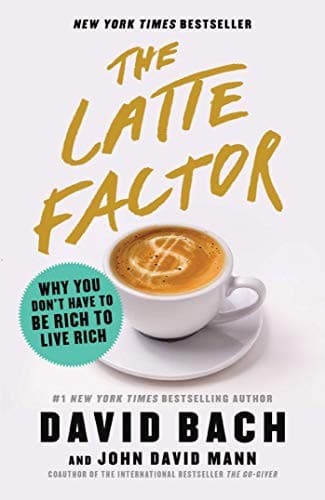
The Latte Factor book cover
#6 · Editor's Pick

The Latte Factor

by David Bach · 2019

4.6(14,290)

David Bach popularized the "latte factor" concept in the early 2000s — the idea that small daily expenses, redirected into investing, compound into significant wealth. This book is a fable: a young woman in New York is mentored by an older barista who explains the math. It's the shortest book on this list (under 180 pages) and intentionally accessible. The criticism — that lattes are a rounding error compared to housing and salary — is fair, and Bach has acknowledged it. But the underlying psychology (find your small daily money leaks, redirect them automatically) is unimpeachable, and for first-time savers the math is genuinely motivating.

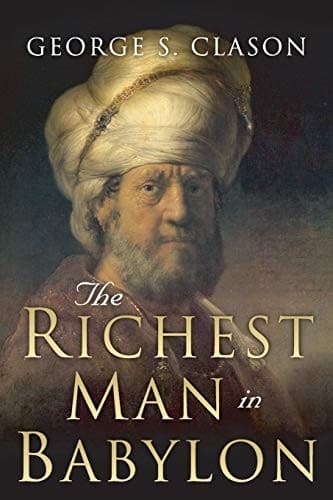
The Richest Man in Babylon book cover
#7 · Editor's Pick

The Richest Man in Babylon

by George S. Clason · 1926

4.7(22,259)

Originally published in 1926 as a series of pamphlets distributed by banks and insurance companies, this is the oldest book on this list and the one with the strangest format: it's written as a set of parables set in ancient Babylon, complete with characters named Arkad and Bansir saying things like "Behold, my friend, I shall counsel thee." Get past the cringey faux-archaic prose and the actual financial advice is solid: pay yourself first, control your expenses, invest in things you understand, and protect your principal. Almost every modern personal-finance book is a remix of these seven principles. It's short (under 150 pages) and good gift-book material.