Finance-Books.com

NYT Bestsellers · 8 books

New York Times Bestselling Finance Books

Personal-finance books that earned a spot on the New York Times bestseller list — the titles that shaped how a generation thinks about money.

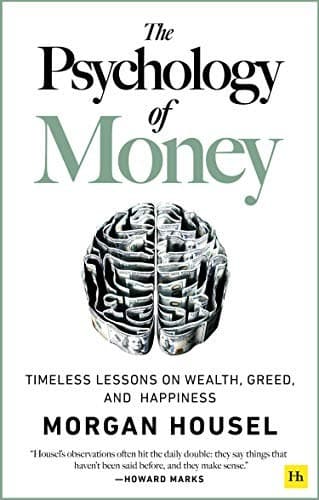
The Psychology of Money book cover
#1 · Editor's Pick

The Psychology of Money

by Morgan Housel · 2020

4.7(71,527)

Housel's thesis: doing well with money has surprisingly little to do with how smart you are and almost everything to do with how you behave. He makes this case through 19 short, story-driven chapters that read more like personal essays than a finance book. There's no portfolio construction here, no spreadsheets, no five-step plan. Instead you get the most important insights in finance distilled into ideas you'll actually remember — and a vocabulary for thinking about money that holds up under stress. If you only read one book on this list, this is the one to start with. It's also the one you'll loan to friends.
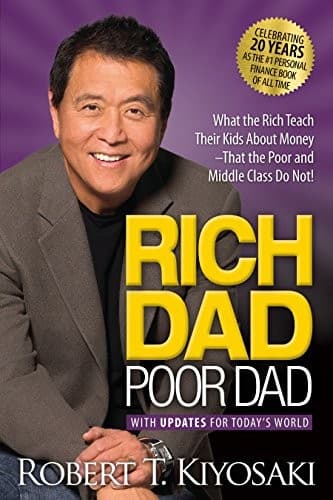
Rich Dad Poor Dad book cover
#2 · Editor's Pick

Rich Dad Poor Dad

by Robert T. Kiyosaki · 1997

4.7(42,815)

Kiyosaki's 1997 book is one of the best-selling personal-finance books of all time, and also the most controversial. The famous frame: Kiyosaki's biological father ("poor dad," a teacher) and his friend's father ("rich dad," a businessman) gave him opposing money advice as a kid; rich dad's won. The core distinction — assets put money in your pocket, liabilities take money out — is genuinely useful and the reason this book has changed millions of people's relationship with money. The honest problems: most of the specific advice (especially on real estate, taxes, and "good debt") is poorly explained, weakly sourced, or actively misleading. Kiyosaki has since pivoted to selling expensive seminars and gold bugs talk. Read it for the mental model, ignore the prescriptions.

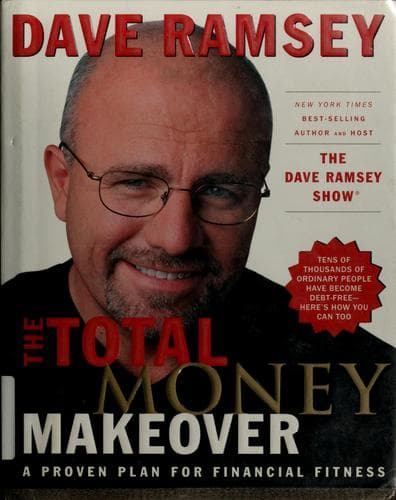
The Total Money Makeover book cover
#3 · Editor's Pick

The Total Money Makeover

by Dave Ramsey · 2013

4.5(32,140)

Dave Ramsey is the most polarizing figure in personal finance, and this book is his manifesto. The "7 Baby Steps" framework — $1K starter emergency fund, debt snowball, full emergency fund, retirement, college, mortgage, build wealth — has rescued more families from credit-card spirals than probably any other system. The behavioral psychology is correct: paying off your smallest debt first feels good and builds momentum, even though paying highest-interest first is mathematically optimal. The honest caveats: Ramsey's investment advice is dated (he insists on 12% returns, recommends actively-managed mutual funds, and rejects index funds — all questionable), and his "never use credit" stance leaves money on the table for disciplined users. But for someone drowning in debt, this is the book.

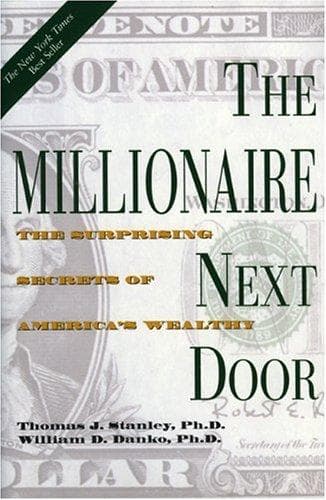
The Millionaire Next Door book cover
#4 · Editor's Pick

The Millionaire Next Door

by Thomas J. Stanley & William D. Danko · 1996

4.7(34,345)

Stanley and Danko spent 20 years studying American millionaires and made a finding that's now famous: the typical millionaire doesn't look like a millionaire. They drive 6-year-old Toyotas, live in starter homes in modest neighborhoods, and got rich through unsexy decades of saving and small-business ownership rather than high salaries or windfalls. The book is data-dense — survey results, demographic breakdowns, lifestyle profiles — and reads more like a sociology study than a how-to. The thesis has aged extremely well: 30 years later, the "PAW" (Prodigious Accumulator of Wealth) vs. "UAW" (Under Accumulator of Wealth) framework still predicts long-term financial outcomes better than income alone.

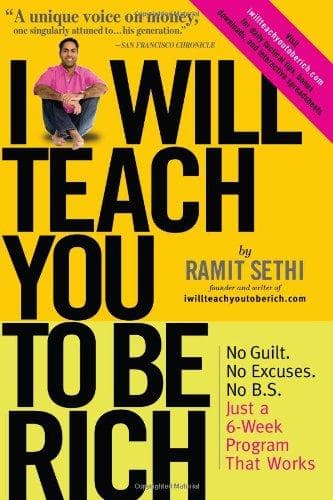
I Will Teach You to Be Rich book cover
#5 · Editor's Pick

I Will Teach You to Be Rich

by Ramit Sethi · 2019

4.6(23,445)

Sethi's hook is that personal finance isn't about cutting lattes — it's about automating the boring stuff so you can spend guilt-free on what you actually love. The 6-week program walks you through the credit card, bank account, investing, and "conscious spending plan" setup. The 2nd edition adds chapters on partnerships, big purchases, and rich-life design. What separates this from older personal-finance books is the tone: Sethi talks to you like a friend, not a parent. The honest caveat: he sells expensive online courses, and the book occasionally feels like a funnel for them. The free advice inside is still genuinely useful — and getting through chapter 4 will put you ahead of 90% of your peers.

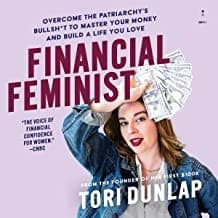
Financial Feminist book cover
#6 · Editor's Pick

Financial Feminist

by Tori Dunlap · 2022

4.6(2,363)

Dunlap turned her TikTok account (Her First $100K) into a movement, and this book is the playbook behind it. The premise: women face structural financial headwinds — the wage gap, the pink tax, the invisible labor — and personal-finance advice that ignores them is incomplete. Dunlap's framework is part practical (negotiate hard, invest aggressively) and part political (your money is a vote for the world you want). The tone is unapologetic and occasionally polarizing — she swears, names companies that underpay women, and rejects the "good girl" frugality narrative aggressively. If you've felt patronized by mainstream finance media, this will feel like exhaling.

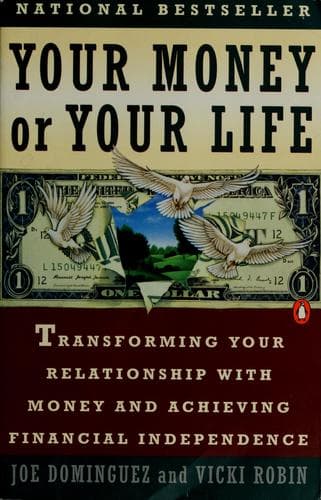
Your Money or Your Life book cover
#7 · Editor's Pick

Your Money or Your Life

by Vicki Robin · 2018

4.5(6,245)

First published in 1992 by Vicki Robin and Joe Dominguez, then revised in 2018 with Robin (Dominguez had passed) modernizing the index-fund advice, YMOYL is the foundational text of the FIRE movement before "FIRE" had a name. The book's core move: stop thinking of money as numbers and start thinking of it as "life energy" — the hours of your life you traded for those dollars. Once you internalize that, spending decisions get philosophical fast. The 9-step program is part budget overhaul, part values clarification, part radical-redirection of your career. It's slower and more meditative than modern personal-finance books. That's the point.

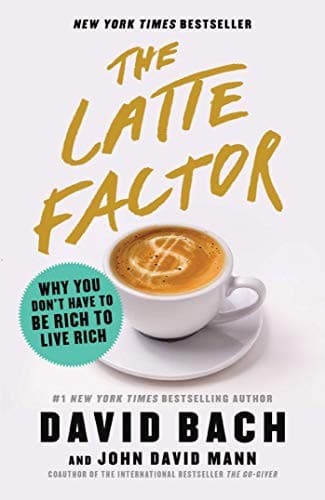
The Latte Factor book cover
#8 · Editor's Pick

The Latte Factor

by David Bach · 2019

4.6(14,290)

David Bach popularized the "latte factor" concept in the early 2000s — the idea that small daily expenses, redirected into investing, compound into significant wealth. This book is a fable: a young woman in New York is mentored by an older barista who explains the math. It's the shortest book on this list (under 180 pages) and intentionally accessible. The criticism — that lattes are a rounding error compared to housing and salary — is fair, and Bach has acknowledged it. But the underlying psychology (find your small daily money leaks, redirect them automatically) is unimpeachable, and for first-time savers the math is genuinely motivating.